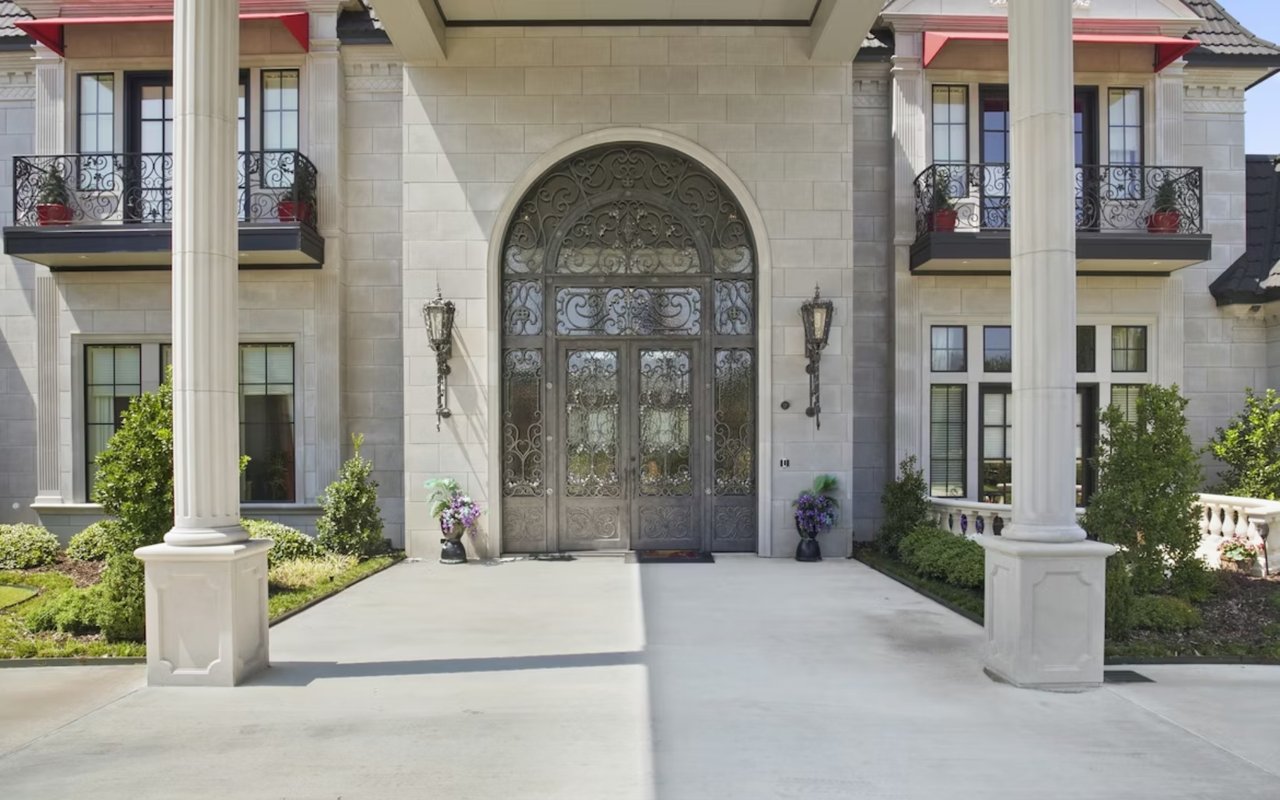
Understanding how to buy a luxury home begins with recognizing the differences between standard residential purchases and the expectations of the high-end market. Luxury real estate requires a more detailed approach, deeper market insight, and a clear understanding of how lifestyle, architecture, and location work together. Buyers often seek homes that offer exceptional design, privacy, and long-term value, making it essential to approach the process with intention. With the right preparation, finding a luxury home can feel both manageable and rewarding.
Define the Lifestyle You Want to Support
Luxury real estate does not follow a single standard. Buyers have different priorities, including waterfront access, privacy, architectural quality, amenities, and proximity to cultural and business centers. Before viewing properties, take time to outline the lifestyle you want the home to support. Some buyers prioritize quiet residential neighborhoods, while others seek vibrant urban settings with walkability. Establishing these priorities sets a clear direction for the search and prevents distractions from properties that do not align with long-term goals.
Determine Your Non-Negotiables
Luxury homes often offer desirable features, but not every listing will include everything on your wish list. Identify the essential features, such as private outdoor space, guest accommodations, high ceilings, or a specific architectural style. These non-negotiables help narrow the field and make it easier to compare properties. When considering how to buy a luxury home, clarity around essential features supports stronger decisions and keeps the process focused.
Understand the Importance of Location
Location influences long-term value, lifestyle quality, and daily convenience. In high-end markets, the right location may include waterfront positioning, access to private marinas, proximity to business districts, or residential streets known for privacy and quiet. Buyers should consider not only the current appeal of a neighborhood but also its growth trajectory, nearby development plans, and future infrastructure improvements. These details often influence the long-term desirability of a property, even if they do not affect daily life immediately.
Pay Attention to Architectural Integrity
Luxury homes often reflect the work of noted architects, builders, or interior designers. Understanding architectural intent can help clarify the quality and long-term appeal of a property. Some homes emphasize contemporary design with open layouts and large windows. Others highlight classic styles with crafted details and formal rooms. When touring a property, observe how the design supports functionality and flow. High ceilings, quality materials, thoughtful room arrangements, and strong natural light often indicate a well-designed home that will age gracefully.
Evaluate the Quality of Materials and Finishes
Details matter in luxury homes. Materials, craftsmanship, and custom features often set these properties apart. Examine the flooring, cabinetry, fixtures, appliances, and built-ins closely to assess the level of investment. High-quality finishes signal both durability and refinement. Buyers who understand how to buy a luxury home often focus on these elements early because they influence comfort, maintenance, and long-term satisfaction.
Understand the Difference Between Value and Price
The asking price of a luxury property does not always reflect its value. Factors such as lot size, views, architectural significance, privacy, and amenities all play a role in determining whether a home is priced appropriately. Reviewing comparable properties can help, but luxury markets often lack large volumes of similar listings. This is where local expertise becomes essential. A knowledgeable advisor can provide context around recent sales, off-market opportunities, and neighborhood trends that influence value more accurately than general market data.
Consider Future Maintenance and Operating Costs
Luxury homes often include features that require ongoing care, such as pools, extensive landscaping, smart home systems, security features, and custom-built elements. Buyers should estimate potential operating costs and understand what is required to maintain the property at a high standard. Some luxury communities also include association fees that support shared amenities or private services. Knowing the full scope of future expenses brings clarity to the financial aspect of ownership.
Review Privacy and Security Considerations
Privacy and security are priorities for many luxury buyers. Some homes include gated entry, advanced surveillance systems, or private access points for guests and service providers. Others rely on community security or natural positioning to create a sense of privacy. When touring a home, assess whether the layout supports the level of seclusion you prefer. This can influence comfort, daily living, and long-term satisfaction with the property.
Explore Amenities That Enhance Quality of Life
Luxury communities and high-end condominiums often include amenities designed to simplify daily life, such as concierge services, fitness centers, resort-style pools, spas, and social spaces. For buyers who prefer condominium living, it is important to evaluate the quality of these amenities and the management responsible for maintaining them. In single-family homes, outdoor kitchens, guesthouses, rooftop terraces, and well-designed indoor spaces contribute to the overall experience.
Consider Working with a Specialist in Luxury Real Estate
Because luxury real estate often involves unique properties, private offerings, and nuanced pricing, working with an advisor who specializes in this segment is valuable. A luxury specialist can help you access off-market listings, evaluate long-term potential, and negotiate effectively. They can also provide insight into building standards, neighborhood dynamics, and upcoming developments that may influence your decision. When learning how to buy a luxury home, this type of guidance ensures that each step is informed and intentional.
Take Your Time When Touring Properties
Luxury homes require careful evaluation. Walk through the property more than once if possible, and observe it at different times of day. Pay attention to layout, natural light, privacy, and the overall condition of the home. Consider how the property fits your daily routines and whether the space supports the way you intend to use it. Thoughtful assessment helps ensure that the final decision feels confident and well-grounded.
Align Long-Term Goals with the Purchase
Ultimately, purchasing a luxury home should align with your long-term goals, whether that involves hosting friends and family, creating a serene retreat, or securing a solid investment in a desirable location. Consider how your needs may evolve over time and whether the property can adapt to those changes. A well-chosen luxury home retains both lifestyle value and financial strength.
Guidance for a Confident Luxury Purchase
Securing the right luxury home in Miami begins with understanding how design, location, and long-term value come together. Privé Advisory Group provides insight rooted in experience, helping clients compare neighborhoods, refine priorities, and navigate each step with purpose. Their team offers a perspective that brings clarity to complex decisions and supports a smooth, thoughtful buying process. For guidance tailored to the opportunities and pace of Miami’s luxury market, contact Privé Advisory Group today.
*Header image courtesy of Unsplash
*Header image courtesy of Unsplash