By Privé Advisory Group
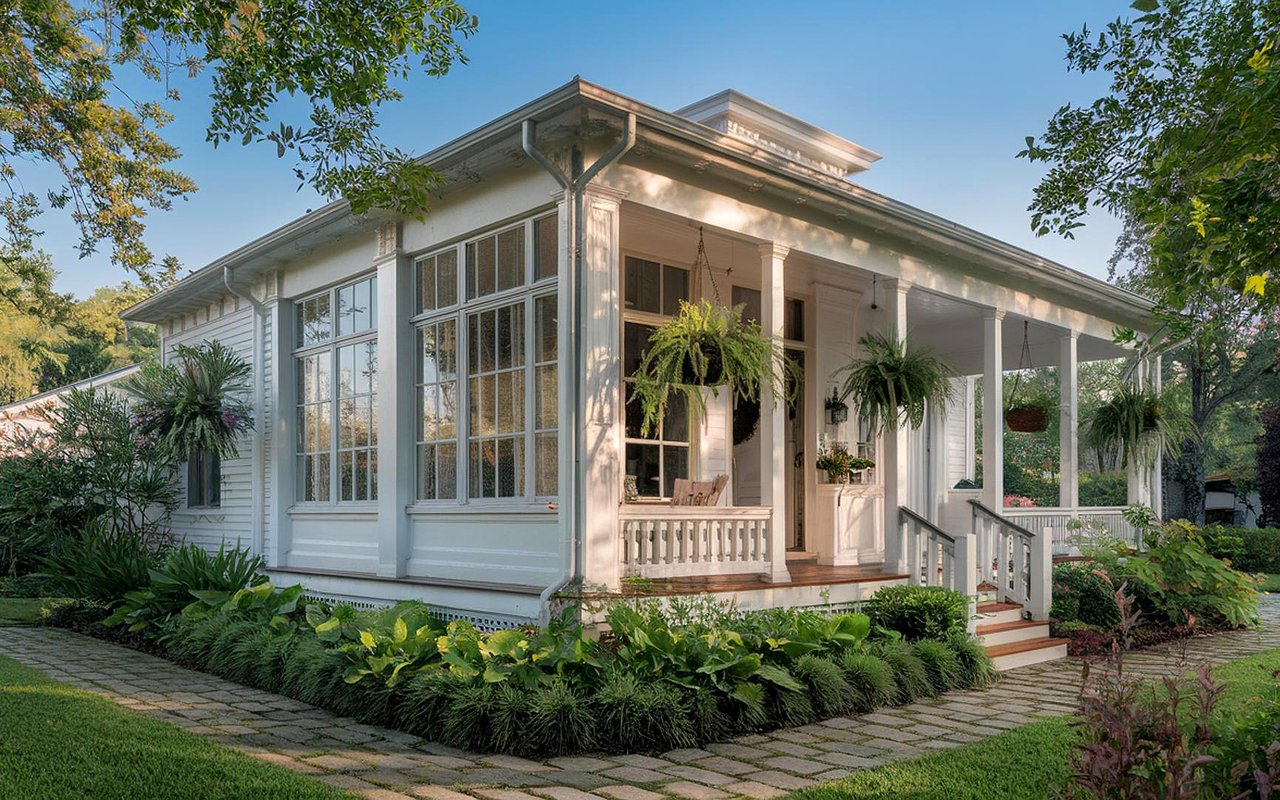
There’s something undeniably special about real estate in historic districts. In Miami, neighborhoods like Coral Gables, Morningside, and Palm Grove offer timeless architecture, mature tree canopies, and a sense of character that newer developments just can’t replicate. But buying in one of these storied areas comes with unique considerations, and we always recommend doing your homework before falling in love with a charming façade.
At Privé Advisory Group, we guide clients through every detail of the process so your appreciation for history aligns with the realities of ownership. Here’s what to know before making your move.
Key Takeaways
-
Homes in historic districts often fall under strict preservation guidelines that impact renovations and exterior changes.
-
Insurance and maintenance costs can be higher due to original materials and aging infrastructure.
-
Location is everything; some districts balance charm with walkability, good schools, and increasing property values.
-
Buying in historic districts is as much about lifestyle and long-term vision as it is about architecture.
What Defines a Historic District?
Historic districts are officially designated areas where the architecture, layout, and cultural significance reflect a particular era in the city’s development. In Miami, these districts preserve Mediterranean Revival, Mission-style, and Art Deco homes that help tell the city’s story.
Notable Miami Historic Districts to Know
-
Coral Gables: Known for its 1920s-era homes, lush landscaping, and strict architectural guidelines that maintain neighborhood integrity.
-
Morningside: A gated, bayfront community with a high concentration of 1930s homes and quiet, tree-lined streets.
-
Shenandoah: Centrally located with Spanish-style homes and a growing number of thoughtfully restored properties.
-
Palm Grove: One of Miami’s oldest neighborhoods, recognized for its early 20th-century architecture, oversized lots, and increasing interest from buyers seeking historic charm close to Downtown and Wynwood.
-
Bayside: A small waterfront historic district known for its classic homes, bay access, and limited inventory, appealing to buyers who value location, character, and long-term scarcity.
Zoning, Restrictions, and Renovation Rules
Historic charm comes with responsibility. Most homes in designated districts are subject to approval processes that govern exterior changes, demolitions, and even landscaping.
What Buyers Need to Understand
-
Historic Preservation Boards: Any plans to replace windows, repaint the exterior, or change roofing materials typically require review and approval.
-
Limited Modernization Options: Adding square footage or building a pool may be restricted or delayed due to neighborhood standards.
-
HOA vs. Municipal Guidelines: Some districts have overlapping restrictions; always check both before you buy or build.
Maintenance and Cost Considerations
Owning a historic home often means dealing with older electrical, plumbing, and roofing systems. While beautiful, these homes can require more upkeep than newer builds.
Common Ownership Costs and Surprises
-
Restoration Over Replacement: In many districts, original materials must be repaired rather than replaced, raising labor and sourcing costs.
-
Insurance Premiums: Due to age and unique features, insurance can be more expensive or require specialty coverage.
-
Property Taxes: Tax rates vary widely depending on the property’s value and whether it's part of a historic designation with exemptions.
Market Value and Long-Term Potential
Despite the extra effort, homes in historic districts continue to attract buyers for good reason. These neighborhoods often appreciate steadily and hold their value better during market downturns.
Why Historic Properties Make Smart Investments
-
High Demand, Limited Supply: There’s only so much historic inventory available, and many homes stay in families for generations.
-
Curb Appeal That Lasts: Mature trees, original details, and timeless design styles tend to age well and remain desirable.
-
Community and Character: These areas foster strong neighborhood identity and are often close to cultural hubs and parks.
FAQs
Can I make major changes to a historic home after I buy it?
That depends on the district. Most changes to the exterior require approval from the city’s preservation board, and some structural alterations may be denied altogether.
Is buying a historic home more expensive in the long run?
Potentially. While you may pay more for insurance and maintenance, the value retention and architectural uniqueness often balance out the cost.
How can I make sure a historic home is a good investment?
Our team of experts understands Miami’s historic districts, knows what to look for during inspections, and can advise on both financial and lifestyle impact.
Contact Us at Privé Advisory Group Today
If you’re drawn to the charm and character of historic districts, we’re here to help you navigate the details with confidence. From understanding restoration rules to evaluating long-term value, our team will guide you every step of the way.
Reach out to us at Privé Advisory Group, and let’s explore Miami’s most timeless neighborhoods together. Your next home could be part of the city’s rich history.
Reach out to us at Privé Advisory Group, and let’s explore Miami’s most timeless neighborhoods together. Your next home could be part of the city’s rich history.